Anyone working in FME Zones needs to ensure that they don’t become a source of foreign material because of poor FME practices. As workers, we are responsible for our safety, the safety of those around us, and completing our tasks in a safe and quality manner. To do this requires not only the appropriate personal protective equipment (PPE), but also the various necessary tools for the job. So, you think you’re ready to enter an FME Zone… Let’s see if that’s actually the case!
Prior to entering any FME Zone, ensure you meet the following criteria:

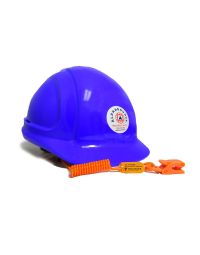
Ensure your hard hat is secured so that it can’t fall into a system or become a dropped object hazard. Secure it by use of a hard hat tether or a chin strap. Also ensure that everything attached to your hard hat is secure – hearing protection and flashlights are things commonly attached that can fall off.
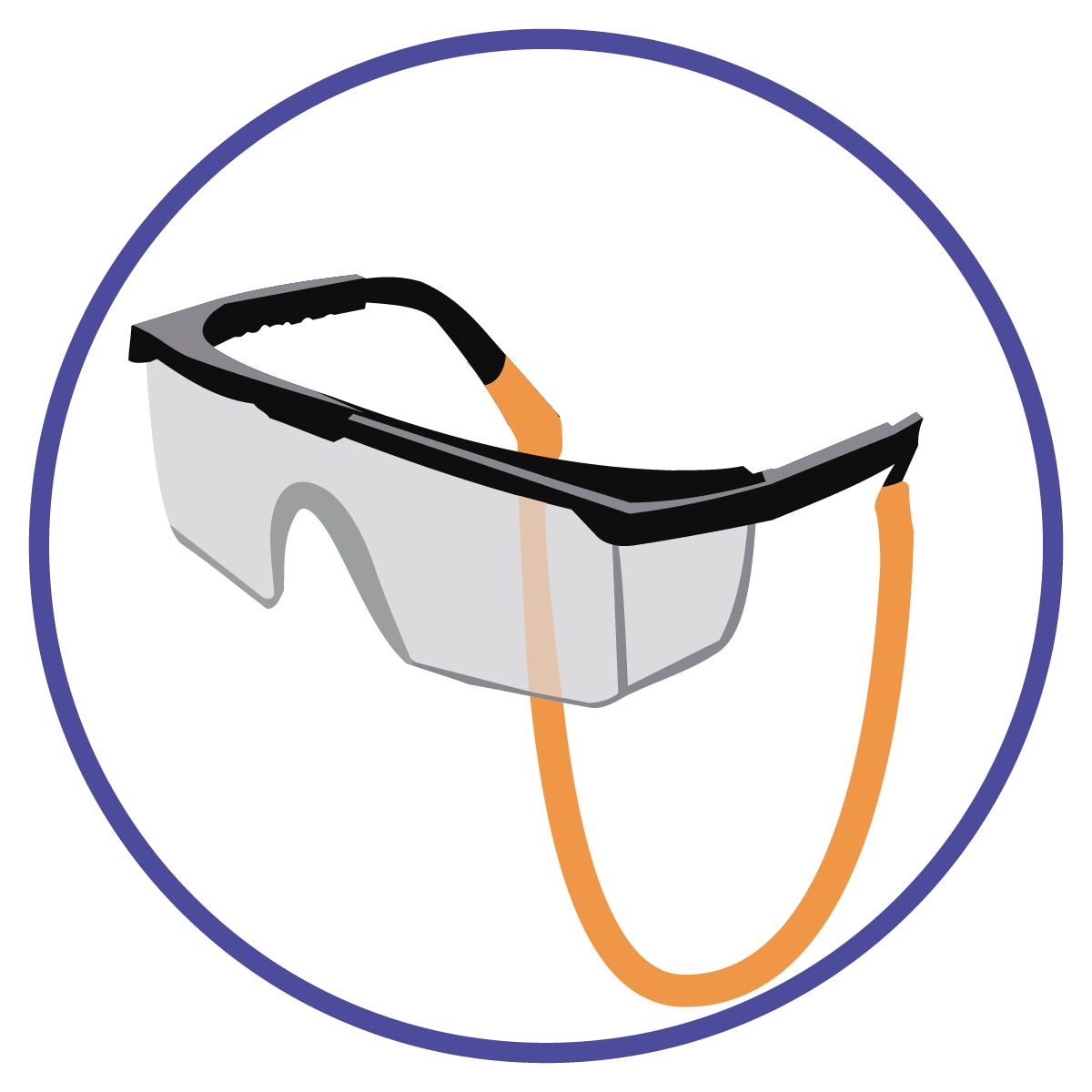
Ensure your safety glasses are properly secured with a tether and checked to ensure no loose pieces exist.

Tethered hearing protection (earplugs) are needed to keep individual foam plugs out of plant systems.
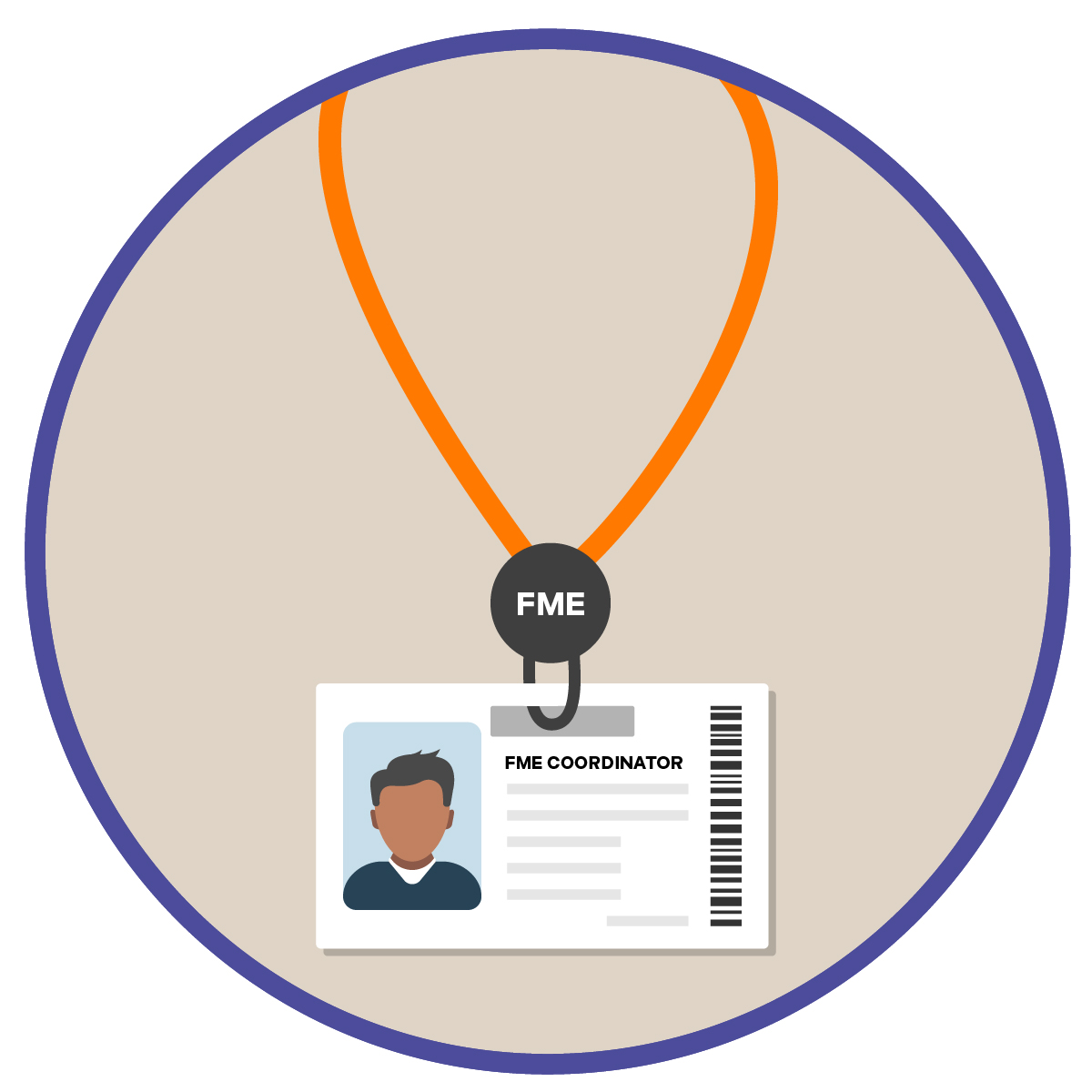
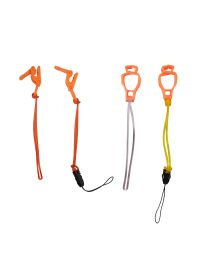
Personnel identification badges and dosimetry (TLDs, EDs, DLRs, etc.) should be secured to personnel via a neck lanyard with a quick-release safety function. It is important to minimize the number of additional items such as keys or pens hanging from the neck lanyard. Some circumstances will require the badges/dosimetry be prevented from swinging away from the torso. For these situations, use an additional clip to secure the end of the neck lanyard to the front of a shirt.
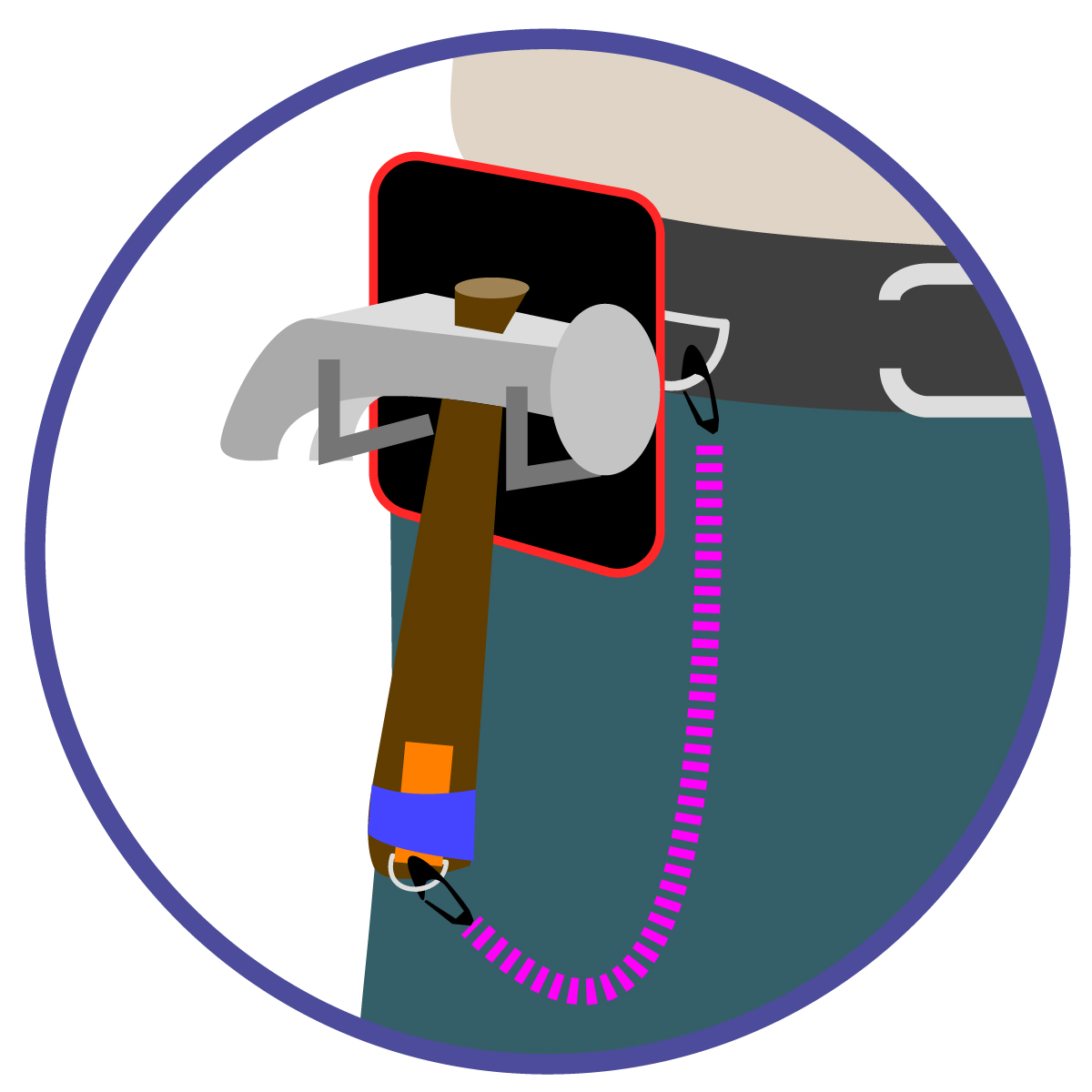
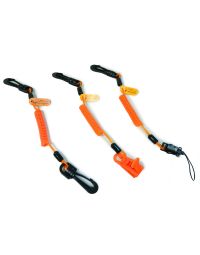
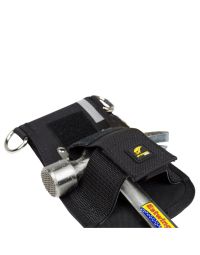
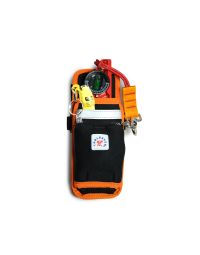
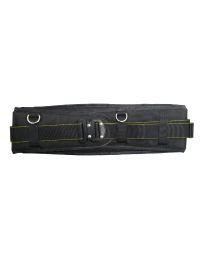
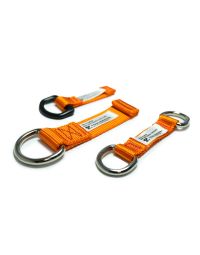
Any tools entering an FME Zone that are not “fail-safe” need to be properly secured when in use. This is accomplished by using the proper tethering tools to attach the tools to the FME worker via a work belt, tool pouch, or wrist cuff.
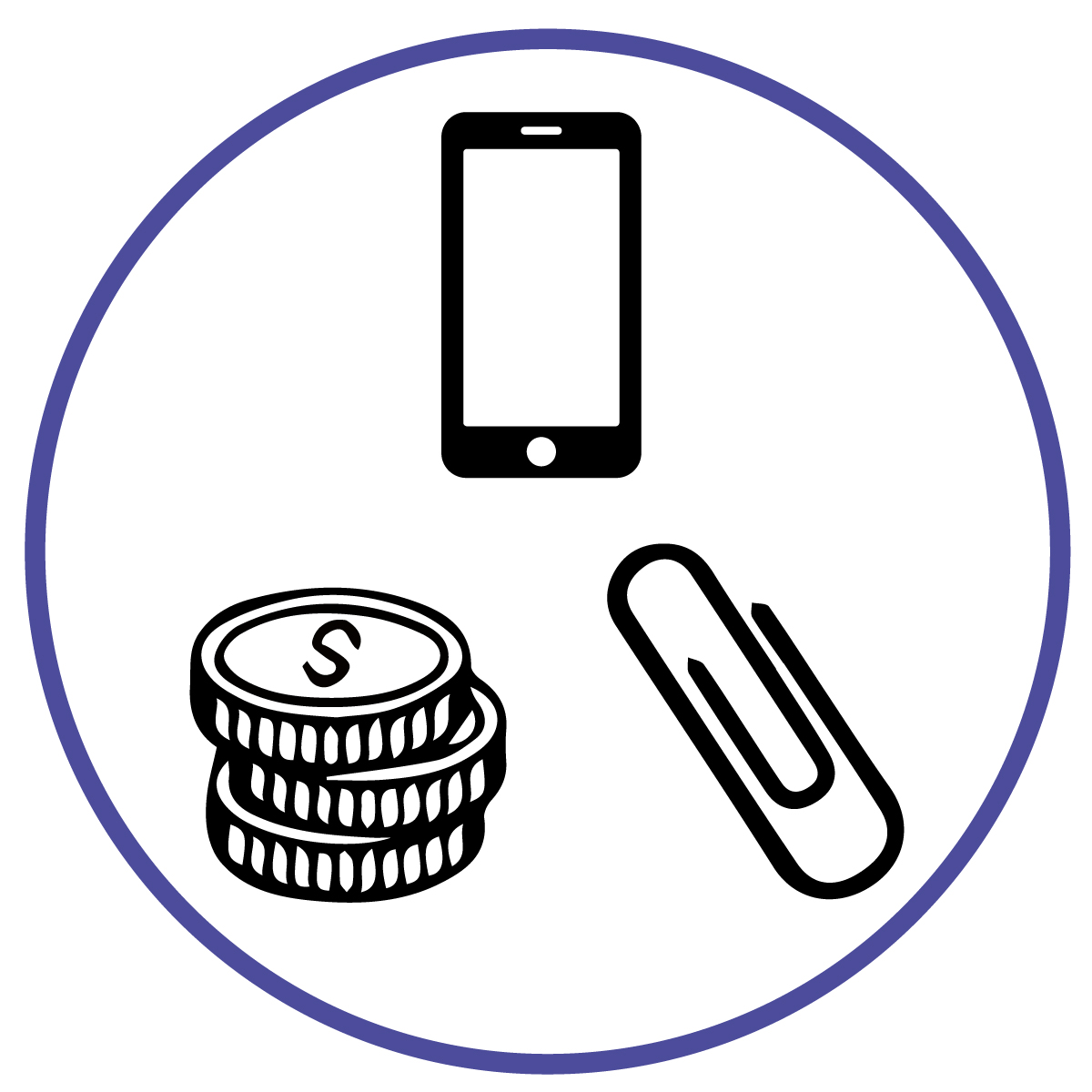
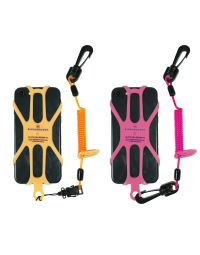
Workers’ chest and pants pockets should be kept empty in FME Zones. This includes any untethered cell phones. Too much industry operating experience exists from workers dropping various contents of pockets such as keys, phones or coins into plant systems.

Ensure the bottoms of your shoes are free of debris prior to entering FME Zones. Small metal particles can hitch a ride on the bottoms of your shoes into the area and fall off inside where they can become potential foreign material. While items such as sticky padsplaced in strategic locations like an entrance to a turbine deck FME Zone can be an excellent way to mitigate the potential for these small metal particles, only a thorough visual inspection can verify debris-free shoes.
Only once you have satisfied all of the above conditions can you be considered an FME-Ready worker. If you have any questions or concerns, contact your Supervisor, your FME Coordinator, or an FME Monitor in the area.