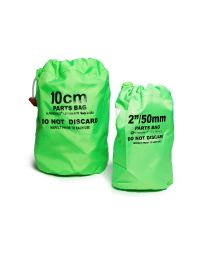
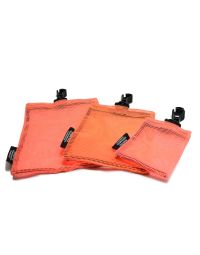
Overview
A Successful Drop Prevention System Consists of Three Components:
-Tool attachment (a method by which the tool can be secured)
-Tether (connection between the tool and an anchor point)
-Anchor point (a method by which the tether is able to connect the tool to a person or inanimate object)
There are MANY combinations of these three components that will result in a safe connection, but consider all options to determine what is the best for your application.
Closure systems are an additional component that offers a convenient and secure method to store tools that are not in use.
Tool Attachments
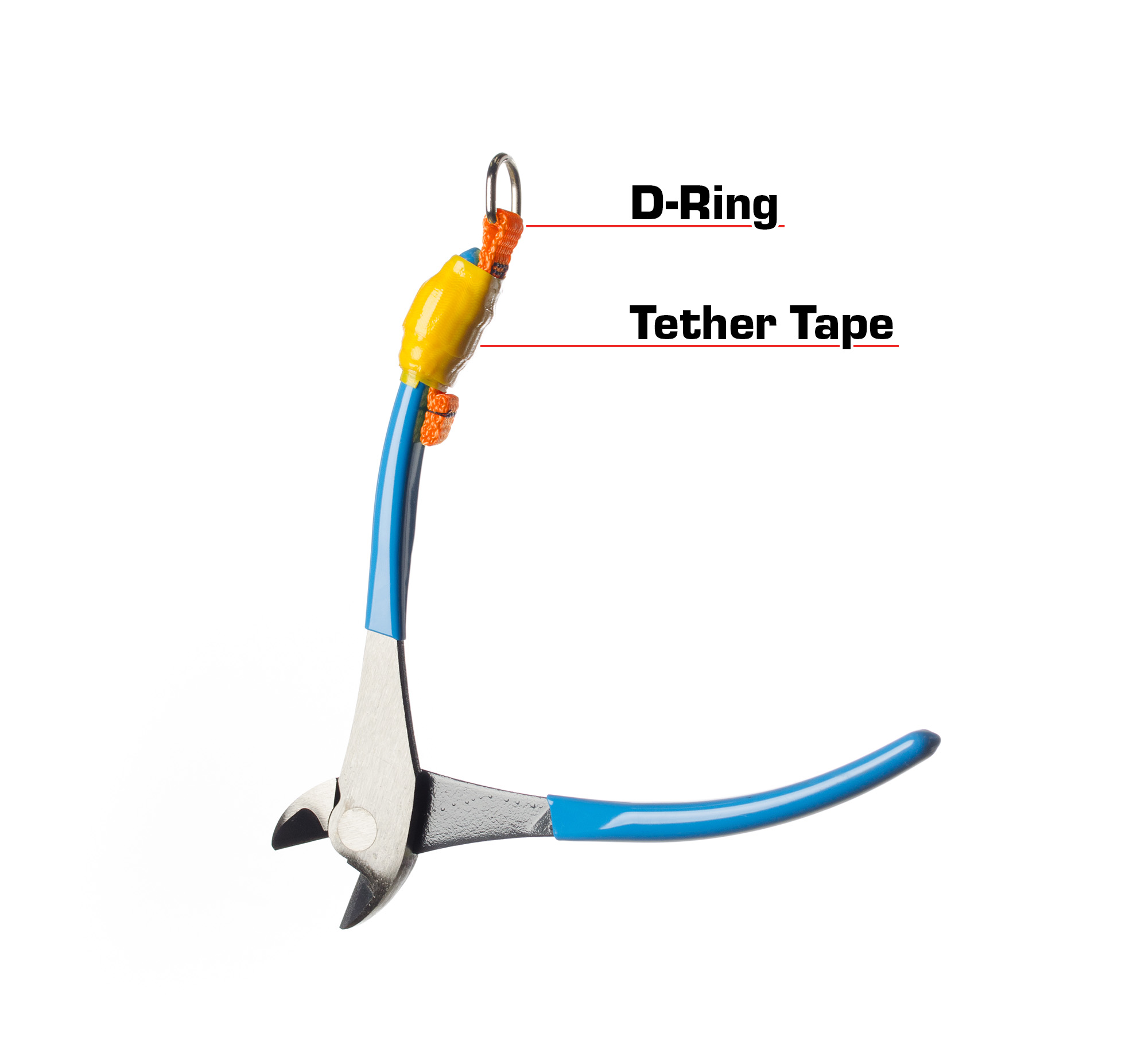
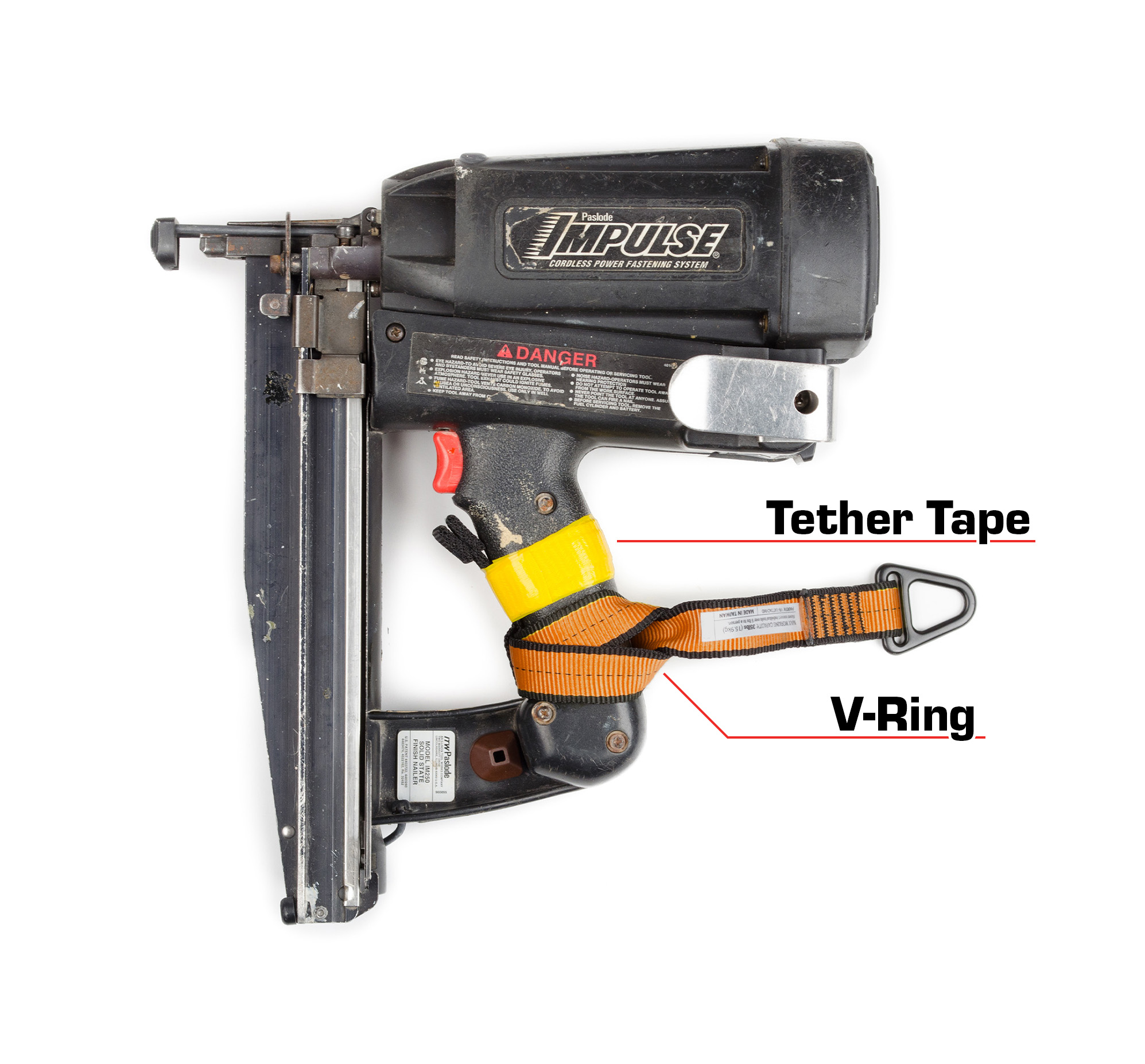
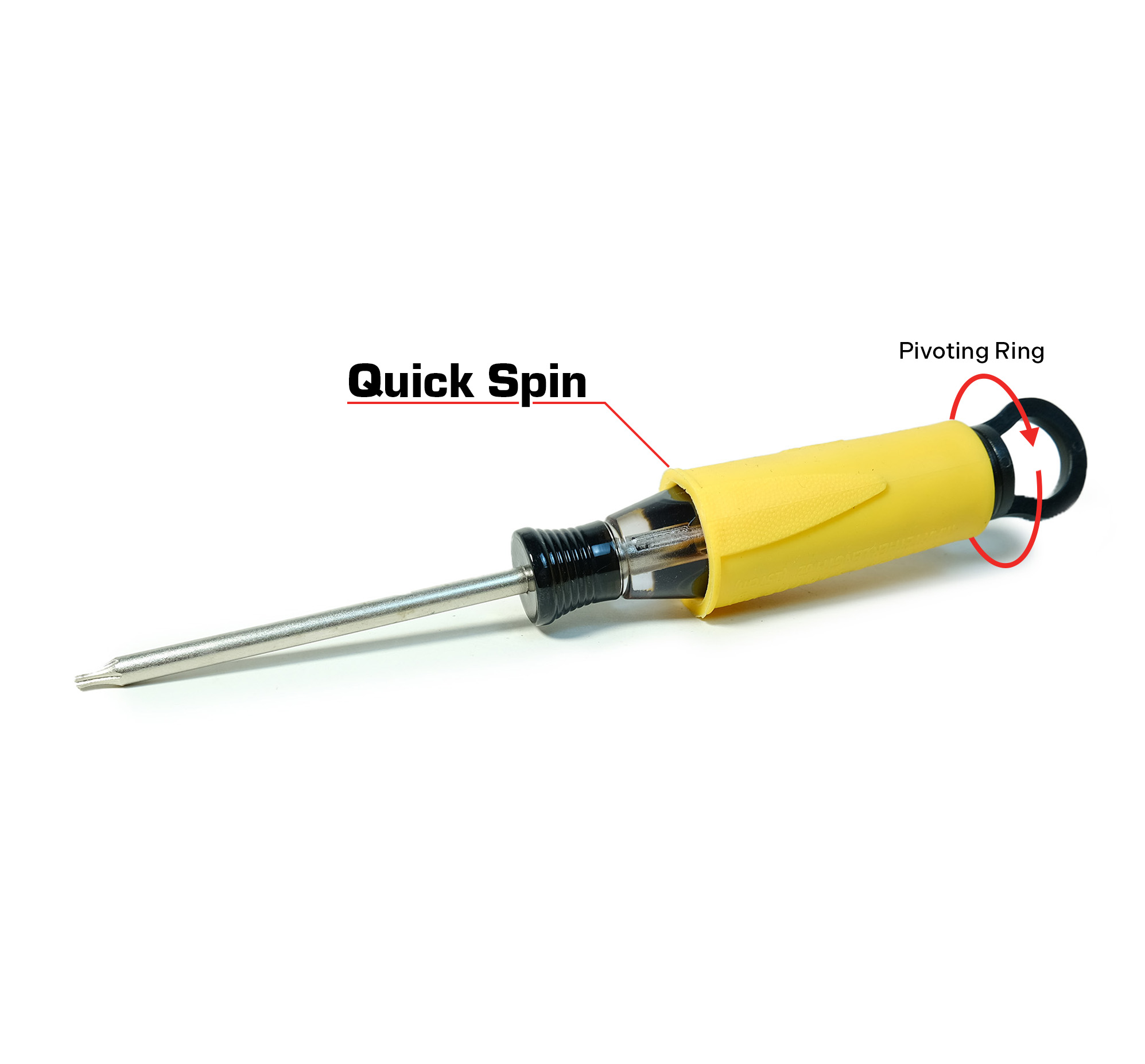
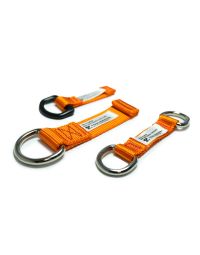
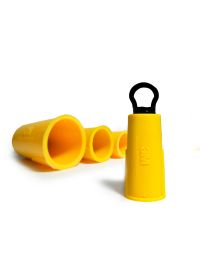
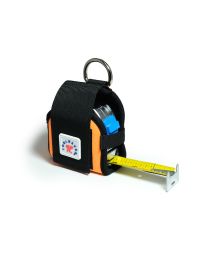
There are many ways to create a tether ready attachment point. Always consider the specific tools when designing drop prevention systems. Figure 1 and Figure 2 demonstrate a consideration for size and weight. Simply put, smaller tools require a small D-ring to not encumber the tools use. Whereas a larger tool would require a heavy duty attachment with a higher load rating. Figure 3 considers the tools usage offering a pivot point on the attachment so the tool can spin freely. Factors like weight, size, and functionality should guide purchasing decisions to ensure safer and more efficient systems.
Do NOT do the following to make tools tether-ready:
- Drill holes in any tools
- Secure an attachment point in the closed end of a combination wrench
- Use duct tape or electrical tape to secure D-rings or V-Rings
Tool Tethers

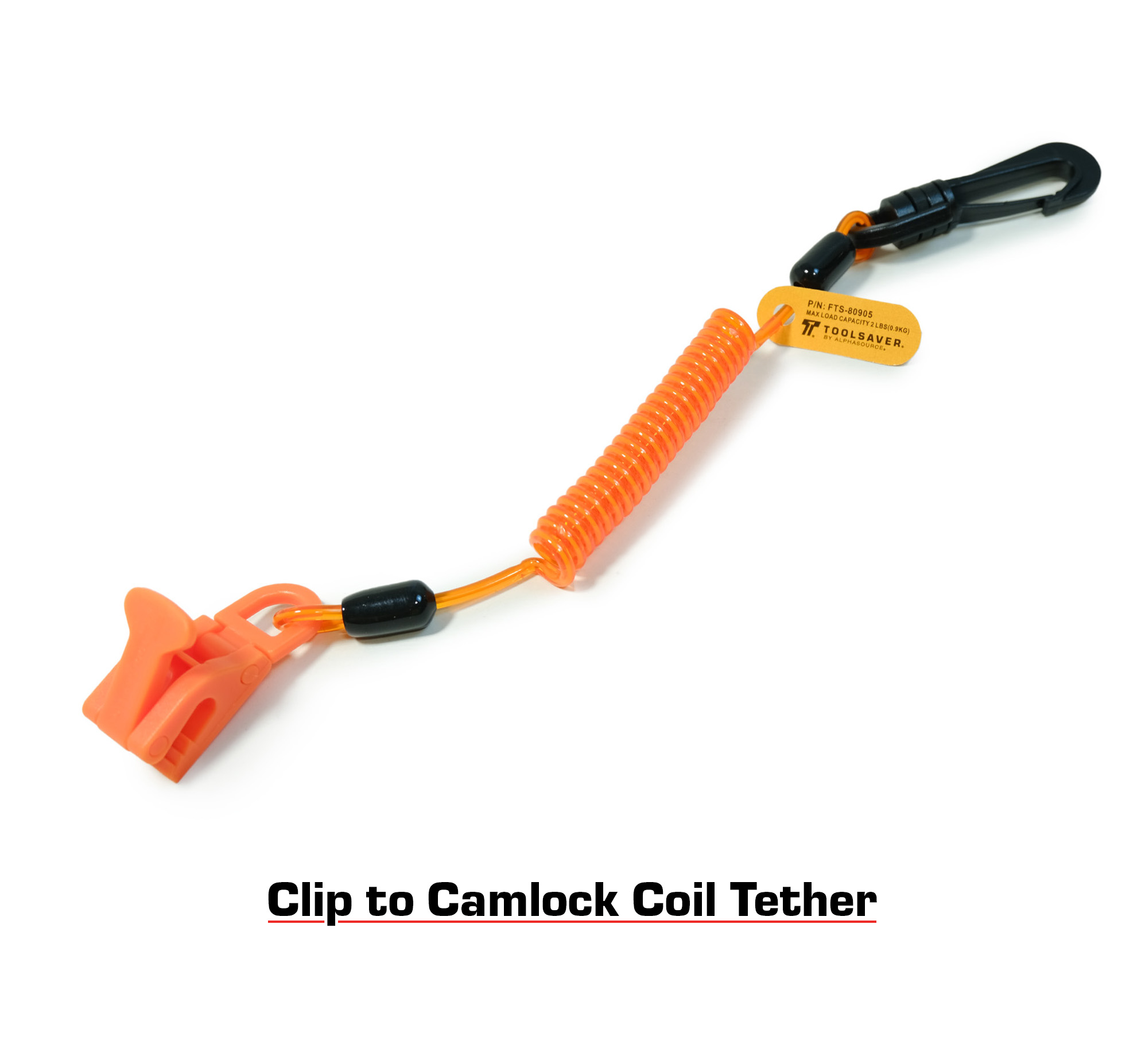
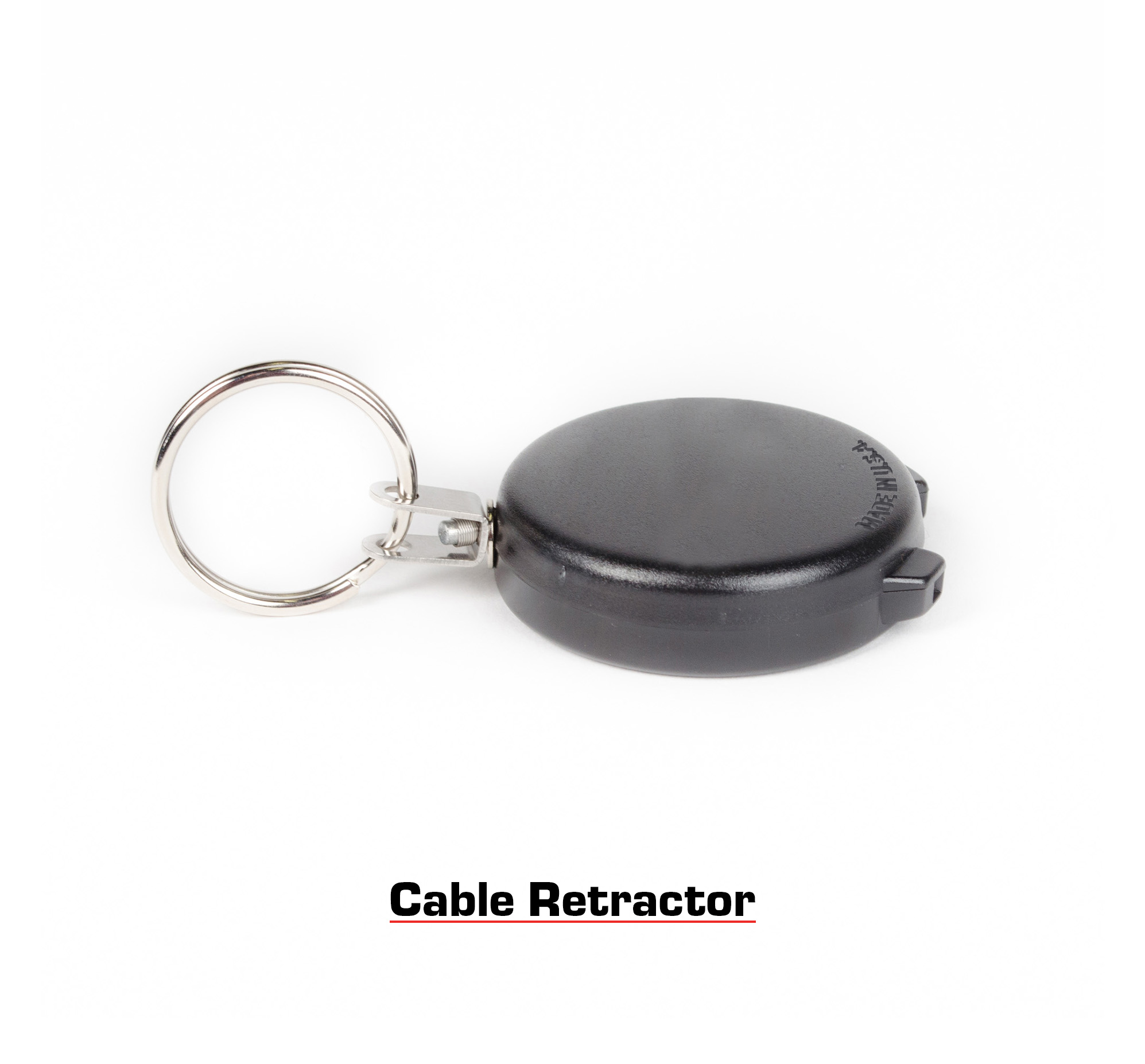
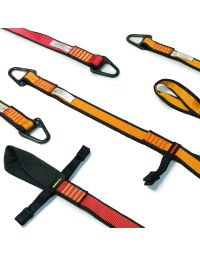
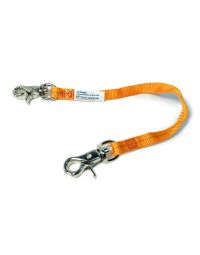
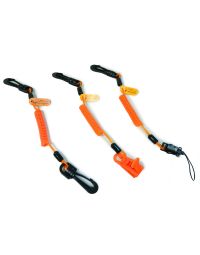
The tether will have to consider both the tool attachment and anchor ensuring it can be connected properly. Figure 2 shows two different end attachments, the clip can be fastened to a ring or loop, and the camlock can be fastened to fabric or an article of clothing. Another important aspect is the range of motion the tool demands. Figure 2 and figure 3 offer more flexible options for range.
Anchors
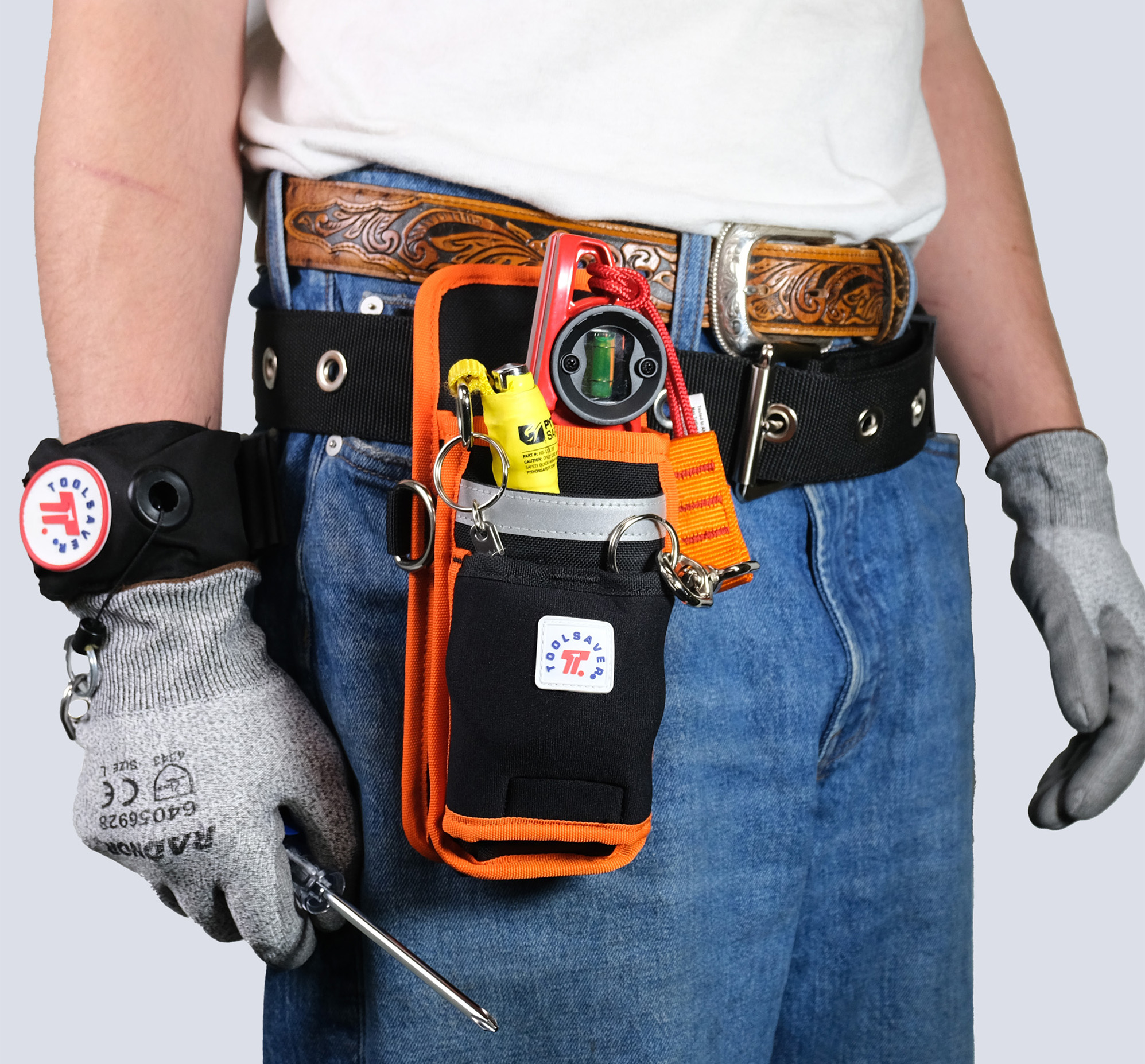
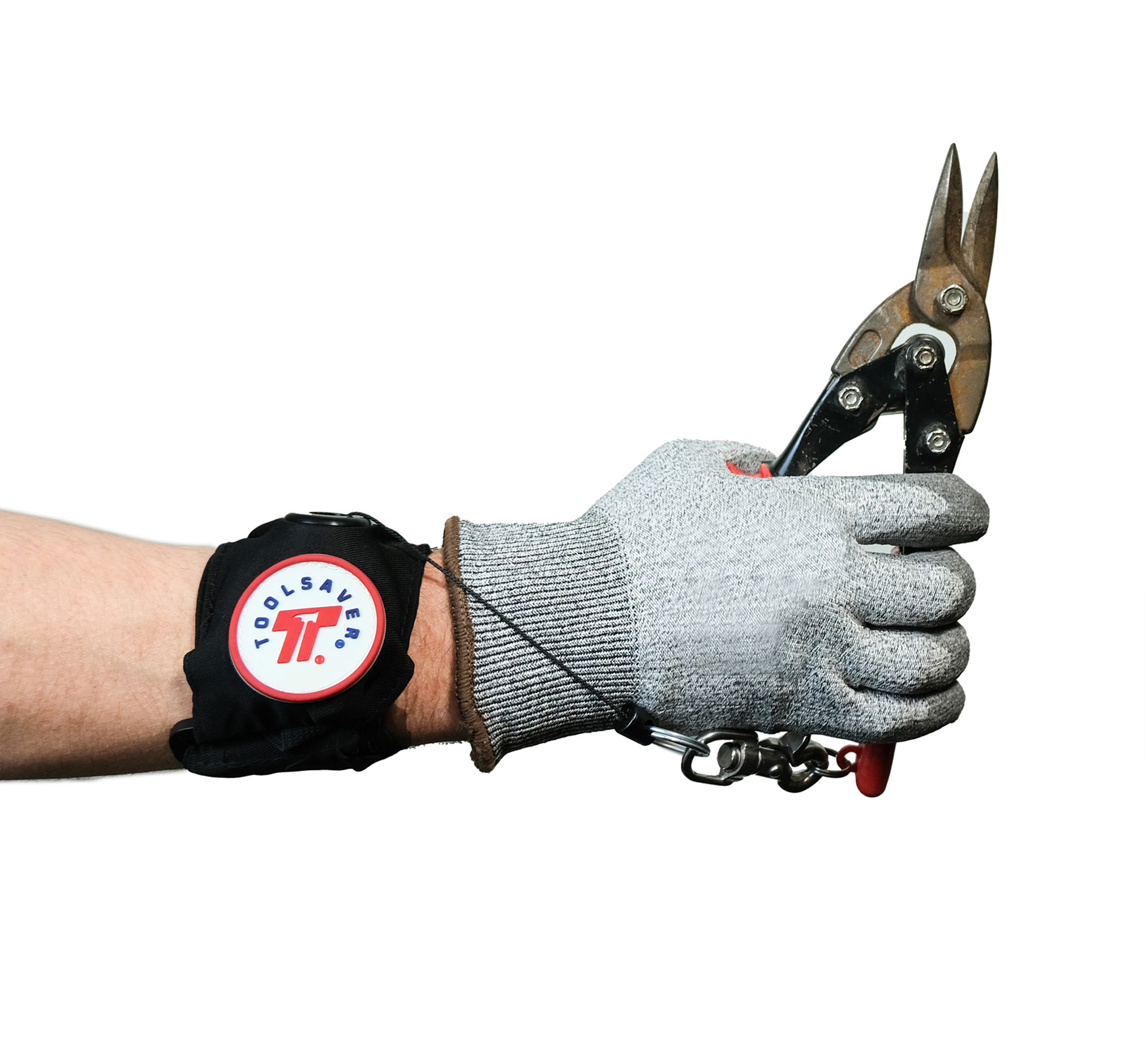
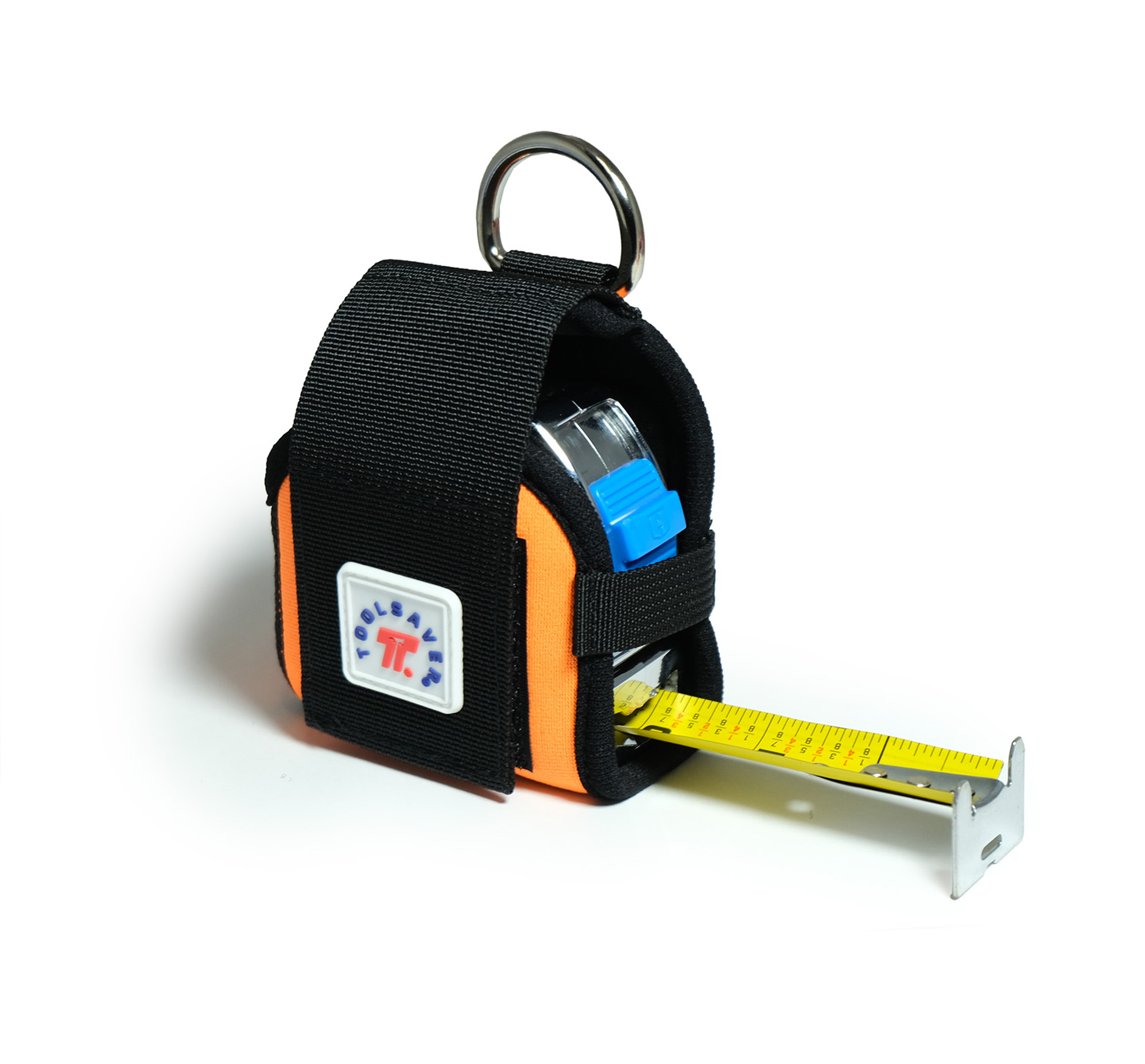
The most important single factor to consider when selecting a tool anchor is the tool weight – tools 5lbs and less can be secured to a person. Any tools over 5lbs should be secured to an inanimate object such as a tool bucket, a handrail, or a rigging point.
When selecting an anchor point for a person, consider the following:
• If anchor point is on a person, does the worker prefer the tool to be secured to the wrist, work belt, or harness?
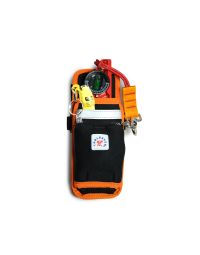
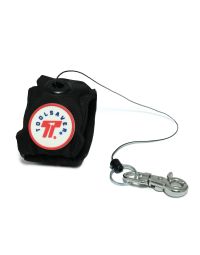
Anchors come in many shapes and sizes to account for all use cases. Some are more modular like figure 1 and figure 2, they can be used for many different tools. Figure 3 is an example of an anchor specifically designed for one tool. Understanding the use case for a drop prevention system will inform the anchor needed for said system.
Closure Systems
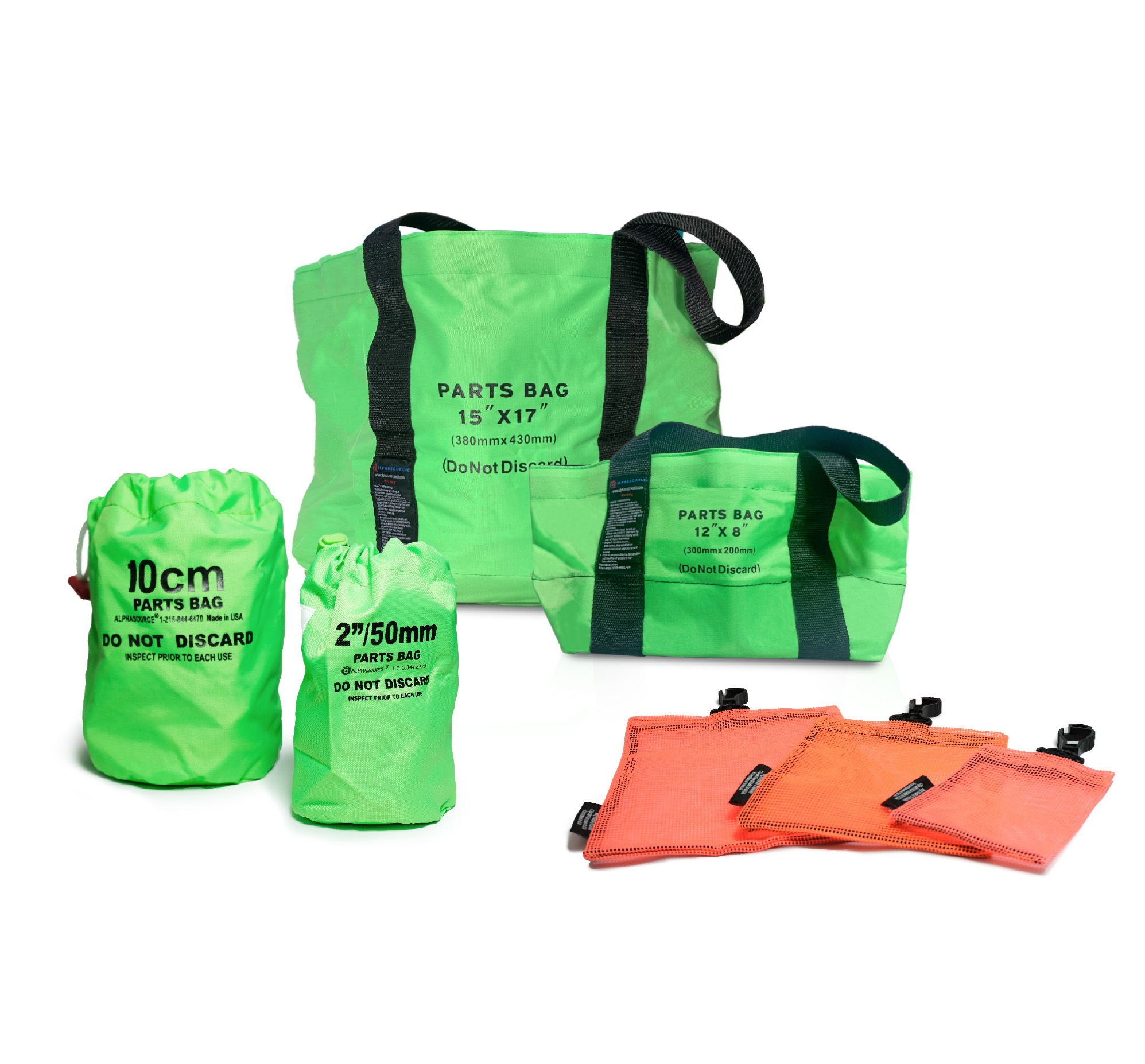


Tool storage is not a part of the immediate drop prevention system but is important when the tool isn't in immediate use. Choosing the right closure system for the job can significantly improve safety and efficiency in the plant.